Coastal living comes with so many rewards, from sunrises over the Atlantic to salt air drifting through your windows and an active outdoor lifestyle that keeps you young. But anyone who has owned property along the Grand Strand for any length of time knows the coast also brings weather risks that inland buyers don't typically think about. Wind and hail insurance is one of those topics that often catches new buyers off guard, especially when they're moving here from Ohio, New York, or anywhere outside hurricane country. If you're shopping for real estate in North Myrtle Beach or anywhere along coastal South Carolina, understanding this coverage is one of the smartest moves you can make before closing.
Why Wind and Hail Insurance Matters Here
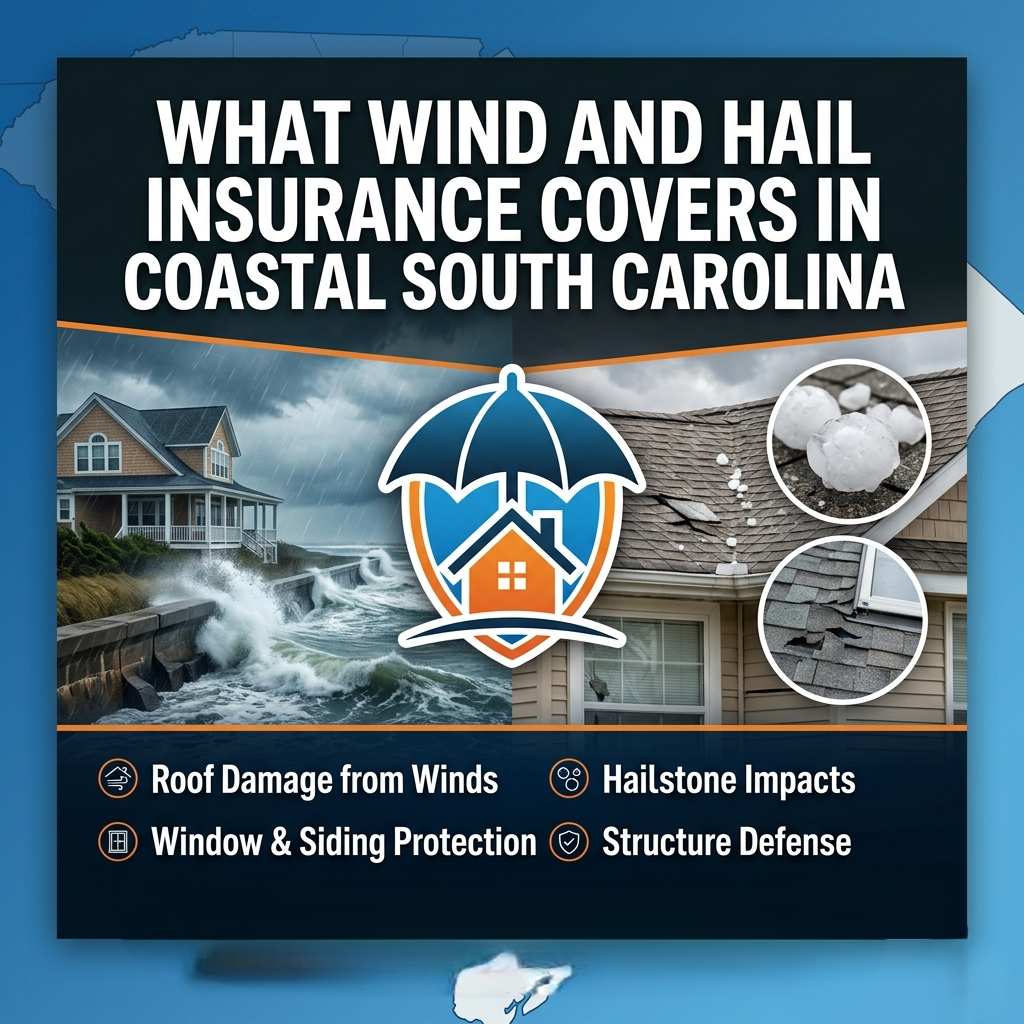
Standard homeowners insurance and wind and hail coverage aren't always the same thing. In a lot of inland states, your basic policy bundles everything together. Along the Carolina coast, insurers often separate wind and hail into its own policy or its own deductible because of the higher risk profile. Hurricanes, tropical storms, and even strong summer thunderstorms can produce wind speeds and hail events that cause real damage, including torn shingles, lifted siding, broken windows, and dented gutters. The closer you sit to the ocean, the more this matters, but plenty of homes a few miles inland still need it too.
How Coastal Premiums Differ From Inland Policies
Buyers are sometimes surprised when they get their first quote on a beach property. Premiums are higher than the same square footage inland, and that's mostly because of wind exposure. Insurers look at distance to the coast, elevation, age of the home, type of construction, and roof condition. A newer concrete-frame condo with hurricane-rated windows is going to be priced very differently than a 1970s wood-frame cottage two blocks from the dunes.
What Wind and Hail Insurance Actually Covers
This is where it pays to read the fine print. A typical wind and hail policy covers physical damage caused by:
- High winds from hurricanes, tropical storms, and severe thunderstorms
- Hailstones impacting the roof, siding, windows, and exterior structures
- Wind-driven debris, including flying limbs and roofing material from neighboring properties
- Damage to detached structures like garages, sheds, and screened porches when listed on the policy
What it generally does not cover is flooding. Wind blowing rain into a broken window may be covered, but rising water from storm surge or heavy rainfall pooling on the ground is a flood event, and that requires a separate policy through the National Flood Insurance Program or a private flood carrier.
Wind and Hail Deductibles Are Different
Most coastal policies use a percentage deductible for wind and hail rather than a flat dollar amount. So instead of a $1,000 deductible, you might see 2 percent or 5 percent of the dwelling coverage. On a $500,000 home, a 5 percent wind and hail deductible is $25,000 out of pocket before the insurer pays anything. That's a meaningful shift in how buyers should plan their cash reserves before purchasing.
How This Plays Into the Buying Decision
When buyers tour properties in North Myrtle Beach, Cherry Grove, or Little River, I always encourage them to get insurance quotes early in the process, not after they're under contract scrambling to close. The total cost of ownership is the price, the taxes, the HOA, and the insurance combined. Some condo buildings carry strong master policies that handle most of the wind exposure for you, while single-family homes leave the full premium in your hands.
Roof Age Is the Hidden Lever
If you're looking at an older oceanfront home or a condo where the building hasn't replaced the roof in 15 years or more, expect higher premiums or even denial of coverage from some carriers. Roof age is one of the biggest underwriting factors on the coast. New construction or recently re-roofed properties almost always price better.
Practical Tips for Coastal Buyers
A few habits that will save you money and headaches over time:
- Get multiple quotes, at minimum two or three carriers, including the South Carolina Wind and Hail Underwriting Association if private options are limited
- Ask about hurricane shutters, impact-rated windows, and roof straps because these often lower premiums
- Bundle when you can since many insurers discount when you carry both the homeowners and wind and hail policy
- Build the wind and hail deductible into your savings reserve so a storm doesn't blindside your finances
- Review your policy annually because coastal underwriting changes faster than inland markets
Local Lifestyle Considerations
Insurance is the practical side of coastal ownership, but the lifestyle is why people are buying here in the first place. Whether you're looking at oceanfront homes, waterfront properties, or homes tucked into golf cart neighborhoods just inland, the right insurance plan lets you enjoy the beach without worrying about what the next storm season brings.
Final Takeaway
Wind and hail insurance isn't something to fear, it's something to understand. Buyers who walk into the coastal South Carolina market with a clear picture of how this coverage works avoid the unpleasant surprises that catch others off guard. If you're considering homes for sale in North Myrtle Beach or anywhere along the Grand Strand, lean on a local agent and a local insurance broker who understand the specific quirks of this market. The coast rewards prepared owners, and a strong insurance plan is part of that preparation.
About Greg Harrelson
Greg Harrelson is a seasoned Realtor® with more than 30 years of experience serving the Myrtle Beach and Grand Strand markets. As the founder of Century 21 The Harrelson Group, Greg has built his career helping buyers, sellers, and investors achieve success in every corner of the coastal Carolina real estate market. His expertise spans residential homes, investment properties, land development, and coastal condos. Known for his deep local knowledge, innovative marketing strategies, and commitment to personal service, Greg consistently helps clients reach their real estate goals while navigating the ever-changing market with confidence and precision.