Selling land is a different animal than selling a house. There is no kitchen to stage, no curb appeal photo of a front porch, and no open house crowd. Land buyers are making a decision about what the property could become, and they are trying to figure out how much time and money it will take to get there.
The sellers who do best in Horry County are the ones who answer those questions before a buyer has to ask. Here is how I approach it with land clients, from a quarter-acre lot near the beach to 20 acres off a county road in Loris.
Know Who Your Buyer Is
Land on the Grand Strand attracts a few distinct groups, and each one looks at a parcel differently.
- Individual buyers who want to build a primary or second home
- Local and regional builders looking for lots to put inventory on
- Rural buyers who want space for a shop, livestock, or privacy
- Investors and developers looking at larger tracts with subdivision potential
A single buildable lot in North Myrtle Beach and a wooded tract outside Loris are not going to sell to the same person. Knowing who you are talking to shapes how we price, market, and describe the property. A builder wants to know about utilities and setbacks. A family looking at acreage in Longs wants to know whether they can put a barn on it and how the road floods after a heavy rain.
Do the Homework Before You List
The single biggest mistake I see with land is listing it with almost no information and letting buyers figure it out. That creates long due diligence periods, nervous buyers, and price negotiations based on worst-case assumptions.
Survey and Boundary Markers
If you do not have a recent survey, consider ordering one. At a minimum, find and flag the corner pins. Buyers walking a wooded parcel want to know where it starts and stops. A clean survey also flushes out encroachments, like a neighbor's fence or shed, while you still have time to address them.
Water and Sewer or Septic
This is the question that decides whether many lots are buildable. If public water and sewer are available at the road, say so clearly in the listing. If the parcel will need a septic system, a soil evaluation for septic suitability is one of the most valuable things a seller can provide. In parts of western Horry County, soils and the water table vary a lot from one parcel to the next. A lot that cannot support a conventional system may need an engineered system, and buyers will discount heavily for that uncertainty.
Zoning and Use
Confirm the current zoning with Horry County or the city if the parcel is inside municipal limits. Know whether manufactured homes are allowed, whether the lot can be split, and what the minimum lot size is. Rural buyers ask about these things constantly, and having a straight answer builds trust quickly.
Flood Zone and Wetlands
Pull the flood zone designation for the parcel. In lower areas near the Waccamaw and the Intracoastal, check whether part of the land may contain wetlands. Wetlands do not automatically kill a sale, but they can shrink the usable building area. It is better to know that going in than to have a buyer's engineer discover it three weeks into the contract.
Pricing Land Is Not Like Pricing a House
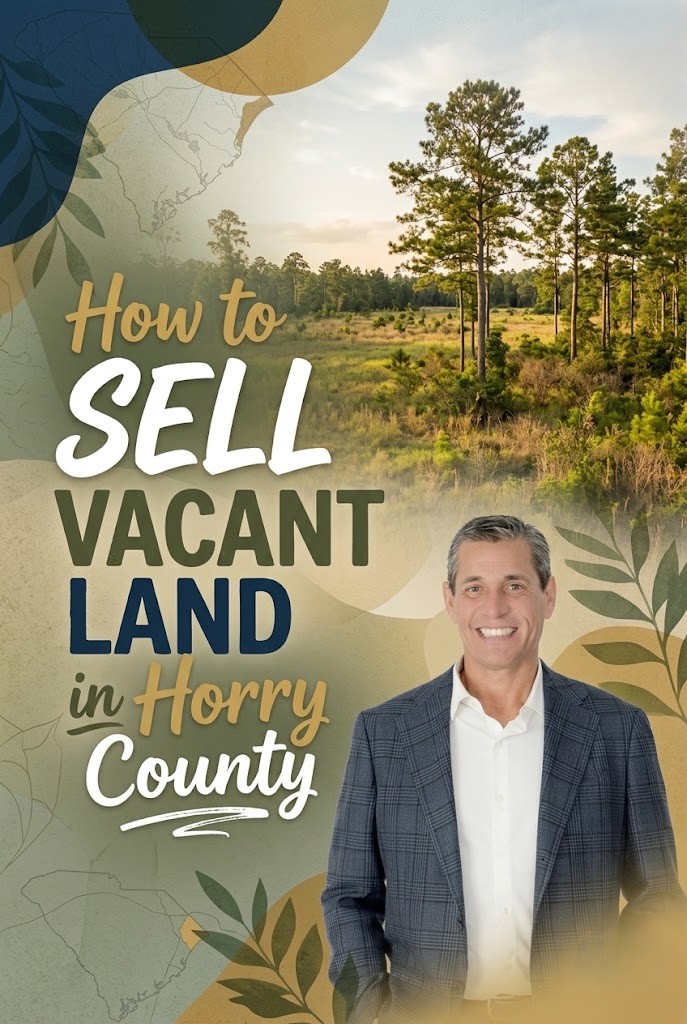 Land comps are thinner and harder to read. Two 2-acre parcels a mile apart can have very different values depending on road frontage, utility access, topography, and whether the land has been cleared.
Here is what moves value most in our market, in my experience:
- Paved road frontage and easy access
- Public water and sewer, or confirmed septic suitability
- High, dry ground outside the special flood hazard area
- No restrictive covenants, or reasonable ones in an established neighborhood
- Proximity to Highway 22, Highway 31, or Highway 9
Lots inside platted subdivisions, such as Allsbrook Estates in Loris, tend to be easier to price because there is a pattern of recent sales and the infrastructure questions are already answered. Standalone rural tracts take more judgment.
Marketing Land So Buyers Can See It
Land needs better visuals than most sellers expect. Drone photos and video do more for a parcel than anything else, because they show the shape of the land, the tree line, the road, and what is next door. An aerial with the boundary lines drawn in helps buyers understand what they are looking at from their phone.
I also like to include a simple information sheet with the survey, flood zone, zoning, utility details, and any soil reports. Land buyers are researchers. Give them the material and they move faster.
Placement matters too. Buyers searching land for sale in Loris or North Myrtle Beach land are often watching specific areas for months. When the right parcel shows up with good information, they act.
Financing and Terms
Land loans are harder to get than mortgages on a finished home. Lenders often require larger down payments and shorter terms. That means a meaningful share of land buyers pay cash, and the ones who finance need more time.
Some sellers consider offering owner financing to widen the buyer pool. It can work, especially on rural tracts, but it carries risk and should be structured with an attorney. If the land is currently in agricultural use for property tax purposes, ask your tax advisor how a change in use could trigger rollback taxes and who will be responsible for them.
Expect a Longer Timeline
Land contracts usually include a due diligence period for surveys, soil tests, and permitting questions. Thirty to sixty days is common, and larger tracts can take longer. Sellers who have already done the groundwork shorten that window and give buyers fewer reasons to renegotiate.
Key Takeaways
- Know whether your likely buyer is a homeowner, a builder, a rural buyer, or a developer, and market to that person.
- A survey, flood zone info, zoning confirmation, and septic suitability answers are the most valuable things a land seller can provide.
- Road frontage, utilities, and high ground drive land value more than acreage alone.
- Drone photography and a simple information sheet help land sell faster and with fewer renegotiations.
About Greg Harrelson
Greg Harrelson is a seasoned Realtor® with more than 30 years of experience serving the Myrtle Beach and Grand Strand markets. As the founder of Century 21 The Harrelson Group, Greg has built his career helping buyers, sellers, and investors achieve success in every corner of the coastal Carolina real estate market. His expertise spans residential homes, investment properties, land development, and coastal condos. Known for his deep local knowledge, innovative marketing strategies, and commitment to personal service, Greg consistently helps clients reach their real estate goals while navigating the ever-changing market with confidence and precision.