Wind mitigation inspections are one of the most underused tools on the Grand Strand. Coastal buyers hear "insurance inspection" and assume it's a technicality. In reality, a decent wind mitigation report can shave real money off an annual premium and, on some properties, turn an unaffordable insurance quote into a workable one. I've seen it flip deals both ways.
Here is what wind mitigation inspections actually cover and when to order one.
What a Wind Mitigation Inspection Is
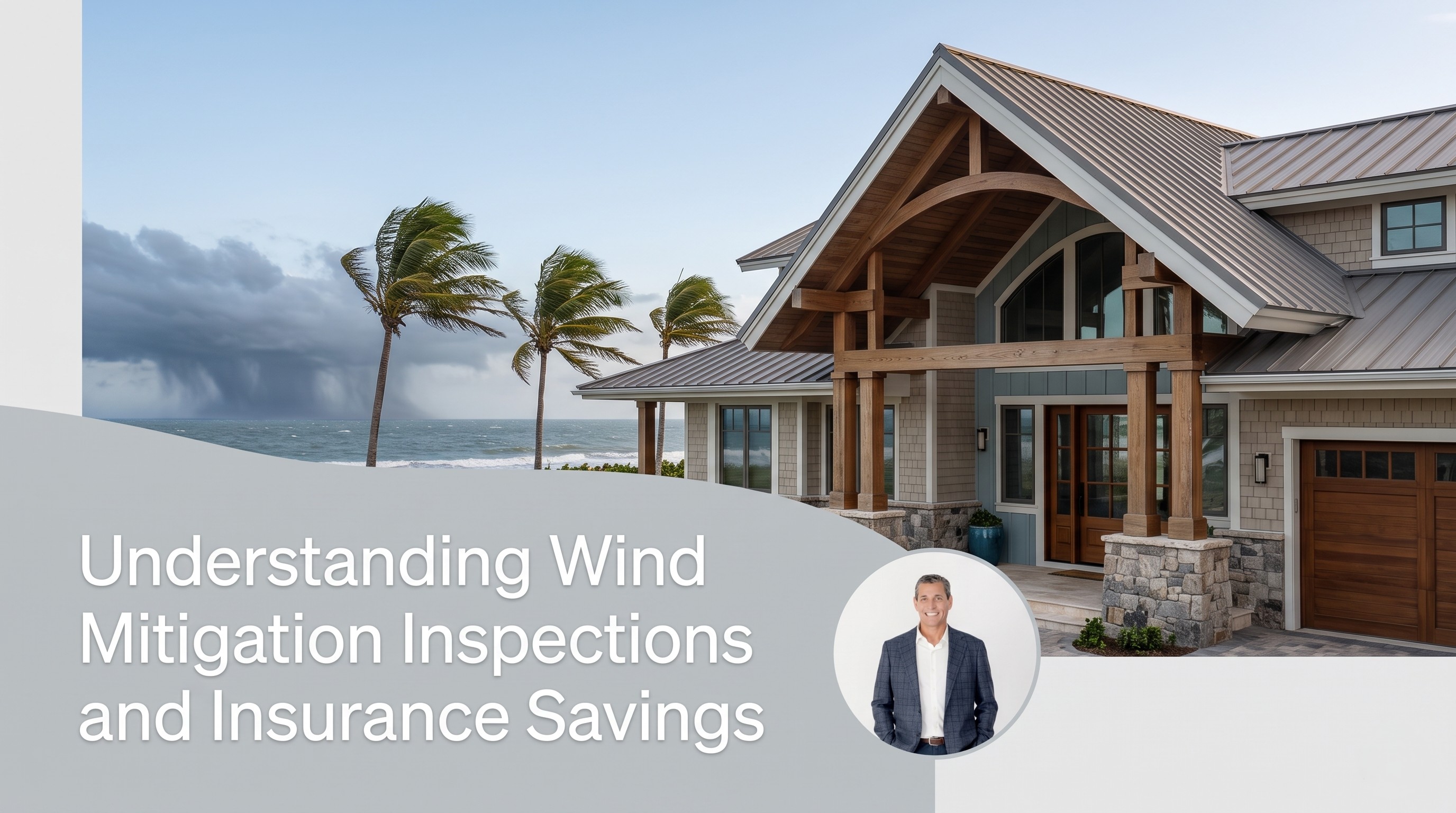
A wind mitigation inspection documents the specific features of a home that resist hurricane and wind damage. Roof shape, roof-to-wall connections, roof deck attachment, opening protection like impact windows or shutters, and the age and condition of the roof itself all get scored.
Insurers use the report to price wind coverage more accurately. A home with strong mitigation features costs less to insure. A home without them costs more. On the coast, that gap can be meaningful.
Where Wind Mitigation Matters Most on the Grand Strand
Not every property benefits equally.
Oceanfront and Direct-Coastal Homes
Wind premiums on North Myrtle Beach oceanfront properties are already high. A strong mitigation report on an oceanfront home is often the difference between a manageable annual premium and one that materially changes the ownership math.
Raised Beach and Channel Homes
Raised beach homes, including the Cherry Grove channel home category, often already have some mitigation features built in from newer construction standards. A wind mitigation report captures that value on the insurance side.
Established Beach Neighborhoods
Older homes in established sections like Tilghman Estates sometimes have mitigation features that predate current code but still qualify for premium credits. A specific inspection is the only way to know.
What the Inspector Checks
The inspection is fairly technical.
Roof Shape
Hip roofs perform better in high wind than gable roofs. Complex roof layouts fall somewhere in between. The inspector documents what you have.
Roof-to-Wall Connections
Toenails, clips, single wraps, and double wraps rate differently. Better connections translate directly to better insurance ratings.
Roof Deck Attachment
Nail spacing on the roof deck matters. Tighter spacing scores better.
Secondary Water Resistance
A sealed roof deck under the shingles provides secondary water protection when shingles blow off during a storm. Insurers credit this.
Opening Protection
Impact-rated windows, hurricane shutters, and reinforced garage doors all count. Partial protection sometimes counts less than expected, so read the report carefully.
How to Actually Use the Report
Getting the inspection is only half the value.
Share It With Your Insurance Agent
The insurance agent will apply eligible credits to the policy. Do not assume the credits happen automatically.
Compare Quotes With and Without
Some agents run quotes both with and without the mitigation report to show the actual savings. Ask for both numbers.
Reinspect After Improvements
If you upgrade the roof, add impact windows, or install hurricane shutters, a fresh wind mitigation inspection can capture the new features and lower the premium going forward.
Who Should Order One and When
The timing question is worth thinking through.
Buyers During Diligence
Buyers can order a wind mitigation report during the inspection window. It gets factored into the insurance quotes the buyer collects before waiving contingencies.
Sellers Before Listing
Sellers who order the report before listing can share it with buyers as evidence that the property is insurable at reasonable rates. It removes a friction point and speeds negotiation.
Owners After Renovation
Owners who install storm shutters, upgrade the roof, or add impact windows should reinspect and update their policy. Many owners forget this step and keep paying old premium levels.
Broader Insurance Context
Wind mitigation is one piece of the coastal insurance stack. Master policies, flood, and personal HO-6 or homeowners coverage all interact. For a broader look, see our blog on what wind and hail insurance covers in coastal South Carolina.
Key Takeaways
Wind mitigation inspections are cheap relative to the potential premium savings. On the Grand Strand, especially for oceanfront and direct-coastal property, the report is close to a no-brainer. Both buyers and sellers benefit from having current documentation of the home's mitigation features. Skip it and you may leave money on the table every year you own the property.
Frequently Asked Questions
Who orders and pays for a wind mitigation inspection?
Either the buyer or the seller can order one. Buyers typically pay when they order during the inspection contingency window. Sellers who order pre-listing pay upfront but often see faster sales and stronger negotiation. Cost is usually modest relative to the potential insurance savings.
How long is a wind mitigation report valid?
Most insurers accept reports for a defined period, typically five years, provided no structural changes have been made. Renovations that affect roof or opening protection may require a new inspection.
Does the inspection help with flood insurance?
Not directly. Wind mitigation credits apply to wind and hail coverage. Flood insurance is a separate program with its own rate structure. Elevation certificates are the flood-side equivalent.
Will a wind mitigation report always lower my premium?
Not always. If your home has few or none of the qualifying features, the report may confirm your current rating rather than reduce it. It is still worth doing because it gives you a documented starting point and identifies specific upgrades that would reduce premium.
About Greg Harrelson
Greg Harrelson is a seasoned Realtor® with more than 30 years of experience serving the Myrtle Beach and Grand Strand markets. As the founder of Century 21 The Harrelson Group, Greg has built his career helping buyers, sellers, and investors achieve success in every corner of the coastal Carolina real estate market. His expertise spans residential homes, investment properties, land development, and coastal condos. Known for his deep local knowledge, innovative marketing strategies, and commitment to personal service, Greg consistently helps clients reach their real estate goals while navigating the ever-changing market with confidence and precision.