Investors are some of the most careful buyers I work with. They ask hard questions, they run their own numbers, and they walk away from deals that do not fit. When that kind of buyer keeps coming back to North Myrtle Beach, it tells you something about the market. Here is what I see, and what I tell investors before they write an offer.
Why North Myrtle Beach Is Unique for Investors
North Myrtle Beach has a few things that investors value. It is a real town with a real beach identity, not just a cluster of hotels. Visitors return year after year, many of them for generations, and that loyalty shows up in how the area draws people throughout the warm season and into the shoulder months.
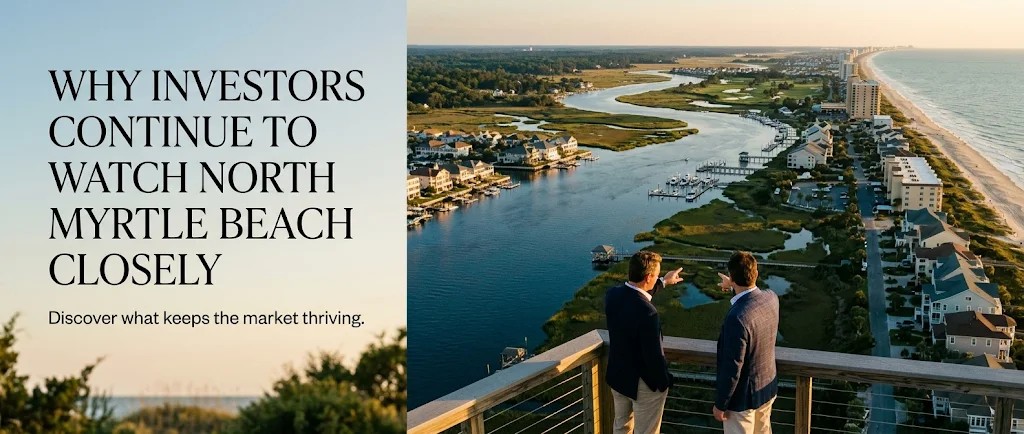
The town also offers a range of property types in a compact area: oceanfront condos, townhomes, single-family beach homes, canal and marsh properties, and homes in golf communities. That variety lets an investor match a property to a strategy instead of forcing a strategy onto whatever is available.
Understanding Your Buyer
Not every investor wants the same thing. I usually sort them into three groups.
- Short-term rental investors who want a property that earns during peak season and also serves as a personal getaway.
- Long-term hold investors who care about appreciation and steady demand over many years.
- Hybrid buyers who plan to use the home part of the year and rent the rest.
Know which one you are before you start looking. The right property for one is often the wrong property for another.
Market Conditions in North Myrtle Beach
This is a seasonal market, and investors should plan around that. Summer is strong. Spring and fall can be steady. Winter is quieter. A property's performance depends on its location, its condition, how it is managed, and how well it is marketed, not only on the market as a whole.
I encourage investors to look at the specific building, street, or neighborhood. A condo in a well-run building with a healthy reserve can perform very differently from one in a building with deferred maintenance and rising assessments. The same logic applies to homes: condition, parking, and layout matter more than most people expect.
Home Features That Matter
Location and Walkability
Proximity to the beach is the first thing renters notice. Walkable access, parking, and nearby restaurants and attractions all help.
Layout and Sleeping Capacity
Family and group travelers look for space. Extra bedrooms, bunk areas, and a layout that works for several couples or a few families can help a property stay competitive.
Condition and Updates
Guests respond to clean, bright, updated spaces. Deferred maintenance shows up in reviews and affects bookings.
Costs, Risks, and Practical Considerations
This is where I slow investors down, because the details here decide whether a deal works.
- Short-term rental rules, licensing, and tax obligations can change, so confirm the current requirements for the specific property and jurisdiction before you commit.
- HOA and condo documents may limit rentals, set minimum stay lengths, or add fees.
- Insurance costs, including wind, hail, and flood coverage, can be a major part of your operating budget.
- Property management, cleaning, supplies, and maintenance add up and should be part of your numbers from the start.
- Special assessments in older buildings can quickly change the math.
I am not an attorney or tax advisor, and I always tell investors to work with their own CPA and attorney on the structure, the taxes, and the rules.
Local Lifestyle and Community Appeal
Here are a few observations from my years working with investors here.
First, the best-performing properties usually belong to owners who treat the home like a business and a place guests actually want to stay. Second, the buildings and neighborhoods with strong management and clear rules tend to hold up better when the market cools off. Third, many investors who started out thinking purely about returns end up using their property more than they expected, which is not a bad problem to have.
That mix of financial logic and personal enjoyment is part of what keeps investors watching North Myrtle Beach.
Strategy for Buyers
- Decide on your goal first: rental income, appreciation, personal use, or a mix.
- Read HOA and condo documents closely, including rental rules and reserve funds.
- Talk with a local property manager about realistic expectations before you buy.
- Build your budget with insurance, management, taxes, and repairs included.
- Keep a cash cushion for the off-season and for unexpected repairs.
- Work with an agent who knows the local rental rules and can compare buildings and neighborhoods.
Key Takeaways
- North Myrtle Beach offers a variety of property types, so investors can match a property to a strategy.
- The market is seasonal, so plan your numbers for the quieter months too.
- Confirm rental rules, licensing, and HOA restrictions before you buy.
- Insurance, management, and maintenance costs belong in your budget from the start.
- Talk with your CPA, attorney, and a local property manager before you commit.
About Greg Harrelson
Greg Harrelson is a seasoned Realtor® with more than 30 years of experience serving the Myrtle Beach and Grand Strand markets. As the founder of Century 21 The Harrelson Group, Greg has built his career helping buyers, sellers, and investors achieve success in every corner of the coastal Carolina real estate market. His expertise spans residential homes, investment properties, land development, and coastal condos. Known for his deep local knowledge, innovative marketing strategies, and commitment to personal service, Greg consistently helps clients reach their real estate goals while navigating the ever-changing market with confidence and precision.