When you’re considering purchasing (or selling) beachfront real estate in North Myrtle Beach, South Carolina—whether as a primary residence, vacation home or rental investment—there are a number of special factors that go well beyond the typical “location, location, location.” For the beachfront market in the Grand Strand, those “extras” can make the difference between a dream-property and a costly headache.
Below is a comprehensive checklist of what to look for—and to ask about—when navigating beachfront listings in NMB.
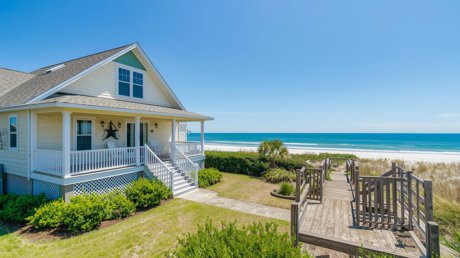
1. Understand the Local Market Dynamics
- First, you’ll want to ground yourself in market realities so you can judge whether a listing is fairly priced, and how to position an offer (or a listing) appropriately.
- The median home price in North Myrtle Beach recently was around $433,575 (Sept 2025) with year-over-year growth of over 20%.
- On the other hand, one index reports the average home value at about $388,462, with a 1-year drop of 4.9%.
- The 2024 Annual Report for Coastal Carolinas showed that in NMB, closed sales for single-family and condo units were down roughly 8 % from 2023.
- As an investor, be aware: listings have increased—new listings in NMB rose ~19.6% year-over from 2023.
Implications:
- For a buyer: you may have more leverage than you think if inventory is growing and days on market are increasing.
- For a seller: you’ll want to highlight standout features (see below) to compete and justify pricing.
- For an investor: Understand whether the growth is sustainable, or whether you’re buying near a peak.
2. Beachfront vs. Near-Beach: Define “Beachfront” Carefully
“Beachfront” can mean different things in NMB. Does it mean a direct oceanfront home with no road in between? A condo with a balcony view of the Atlantic? Clarifying this matters.
What to check:
- Distance & orientation to the beach: Ideally your property faces the Atlantic, with minimal obstruction, and the beach is easily and privately accessible (stairs, paths, beach access points).
- Elevation and dune protection: Higher elevation and dune buffers mean less risk from storm surge or erosion.
- Road/traffic separation: If a road or boulevard separates the property from the sand, that can impact both resale value and the rental demand.
- Beach maintenance and view: Is there a public access path, and how busy is that access? Are there obstructions (buildings, trees) blocking the view?
For the seller, emphasizing true oceanfront orientation, unobstructed views and direct access will help your listing stand out and capture premium pricing.
3. Physical Condition & Structural Resilience
Beachfront properties face tougher conditions—salt air, wind, more exposure to storms—so a solid inspection and resilience plan are a must.
Key items:
- Foundation and framing: Saltwater and humidity accelerate corrosion and rot. Look at what the listing says about structural maintenance.
- Windows, doors, balconies: These face the brunt of ocean winds and storms—hurricane-rated systems, sealed balconies and good drainage make a difference.
- Roofing and exterior materials: Metal roofs, composite siding, or other hard-wearing materials pay off in the long run.
- Flood zone / elevation certificate: Be sure you know if the home lies in a FEMA flood zone, and whether past owners had an elevation certificate. Flood risk means higher insurance and potentially higher rebuild cost.
- Storm-proofing and weather history: Ask about any previous storm damage, wind/hail insurance claims, and how the property has been maintained since.
As a buyer, budget ahead for incremental maintenance costs; for a seller, highlight recent renewals or resilient upgrades (e.g., impact-rated windows, new roof) to justify your asking price.
4. Insurance, Taxes & Ongoing Operating Costs
Owning beachfront brings more than just “why live anywhere else.” It brings extra cost and risk—so the financial picture must be transparent.
- Many beachfront owners are seeing rising insurance premiums and larger deductibles. > “Homeowner’s insurance… The deductible is now nearly $15k.”
- Flood insurance may be mandatory if you’re in a Special Flood Hazard Area; premiums vary by elevation, past claims, mitigation features.
- Tax considerations: If the property is a second home or rental rather than a primary residence, property tax treatment may differ.
- HOA/Condo fees: Some beachfront condos have large fees for upkeep of amenities, oceanfront common areas, structural maintenance.
- Seller/Investor shout-out: Be sure the HOAs/condo regs allow for short-term rentals if that’s your strategy—restrictions can affect value and ROI.
5. Rental / Investment Potential (if applicable)
If you’re buying for income—whether vacation rentals or long-term lease—there are extra layers to examine.
What to look for:
- Zoning and condo/HOA rules: Does short-term vacation rental (STR) use exist in the building or community? Are there restrictions or rising fees for STRs?
- Historical occupancy/seasonality: NMB has strong summer demand, but shoulder seasons (spring, fall) may drop off—check actual data for your building or street.
- Amenities that support rental appeal: Elevator, parking, pool, beach access, balcony with ocean view all boost nightly rates and occupancy.
- Competition and market saturation: If new beachfront developments flood the market, supply may dampen rental yield.
- Maintenance, management, turnover: Beachfront units have higher wear and tear (sand, salt, humidity). Factor in higher maintenance and possibly management fees if you’re absentee.
From a seller standpoint, if you’re marketing an investment property, be sure to clearly communicate historic rental income, occupancy rates and expense projections to attract investor buyers.
6. Location-Specific Factors in North Myrtle Beach
This region offers many benefits—and a few unique considerations—that buyers and sellers alike should incorporate.
Advantages:
- NMB is less hectic than its southern neighbors, offering a more serene beachfront lifestyle for both residents and renters.
- Median listing prices in NMB neighborhoods such as Cherry Grove, Crescent Beach and Ocean Drive are in the $360K-$460K range (Aug 2025).
- The region has seen robust growth in listings and interest, which can support resale value if you choose the right property.
Things to check:
- Beach erosion and dune maintenance: The beach is dynamic. Properties closest to the waterline may face higher risk of erosion or dune changes.
- Storm surge / hurricane history: The Grand Strand is vulnerable to Atlantic storms. Understand past impact, elevation, and insurance claims.
- Traffic and access: Some beachfront roads (especially older ones) have heavier traffic or limited parking near the beach access. That can affect quality of life and rental appeal.
- Building age and design: Older beachfront properties may look charming, but may require updates (wind-resistant windows, updated HVAC, etc.).
- Resale timing & local market shifts: Given the 2024 market report noting a drop in closed sales (–8%) in NMB, some caution may be warranted.
7. Selling a Beachfront Property? What to Emphasize
If you’re on the seller side, here are features that help you command premium value:
- Unobstructed ocean views and direct or very easy beach access
- Elevation certificate showing low flood insurance risk or high dune/shoreline buffer
- Recent resilient upgrades: impact windows, new roof, reinforced balconies, hurricane shutters
- Documented rental income (if previously used as an investment) or strong short-term rental demand
- Low HOA or well-maintained condo association with transparent financials
- Lifestyle elements: walk-to-beach, proximity to restaurants/shops, quiet beach zone (versus high-traffic tourist strip)
By creating a story around “easy beach living plus strong value” you can make your property more compelling in today’s more selective beach-buyer market.
8. Buyers: Red Flags to Watch
- Here are some warning signs that a beachfront property might carry hidden costs or risk:
- Listed significantly above comparable oceanfront sales (check per-soft pricing and recent comps)
- Lack of documentation about recent structural upgrades or storm-damage repairs
- Condo/HOA with unclear or rapidly rising fees especially for beach/shoreline maintenance
- Property in a low elevation, high-risk flood zone without mitigation or history of high insurance claims
- Heavy traffic or minimal separation between the beach and the home—so the “beach‐feeling” is eroded
- Over-dependence on short-term rental income without backup plan (seasonal fluctuation, new supply, regulatory changes)
Conclusion
A property in North Myrtle Beach can be a fantastic lifestyle choice or a strong investment—but only if you treat the purchase (or sale) with care and local insight. Whether you’re buying, selling, or investing, your success will depend on analyzing location, structure, market conditions, costs, and future demand.
Make sure you partner with a local real-estate professional who understands beachfront nuance. Ensure your inspections and due diligence cover wind, flood and elevation risk. And above all: value the intangible—being a “foot-in-the-sand” away from the surf can make a big difference in your enjoyment…and your returns.