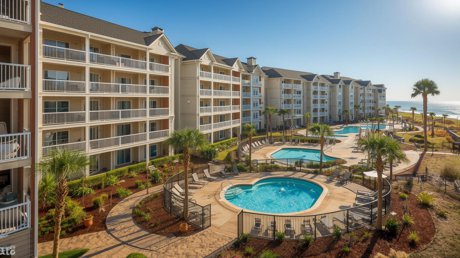
If you’re considering selling a condo in a resort-community in North Myrtle Beach, South Carolina, you’re entering a dynamic, dual-purpose market that serves both full-time residents and vacation/investor buyers. Whether you’re a homeowner wanting to transition, an investor looking to liquidate, or a buyer preparing for an up-and-coming opportunity, here’s a guide tailored to this unique real estate niche.
1. Know the Local Market Landscape
a) Recent pricing & market behavior
- The median listing price for condos in North Myrtle Beach is cited at around $312,000 for units currently on market.
- For oceanfront condos specifically: in a 2024 study of ~520 units, the median asking price was near $417,000, and average time on market was about 71 days.
- For all property types (including condos), in Q3 2025 the median sale price was around $355,000 and average days on market were ~130 days.
- Inventory is rising: the annual “Coastal Carolinas” report shows new condo listings in the North Myrtle Beach area increased ~19.6% in 2024 vs 2023.
b) What does this mean for sellers?
- Increased inventory means buyers have more choice—so you’ll need to ensure your condo stands out.
- While prices have appreciated strongly in recent years, the pace is moderating; buyers may expect a meaningful negotiation.
- Resort-market properties often carry extra layers of complexity (HOA fees, rental restrictions, resort amenities) that affect buyer sentiment.
2. Understand the Resort-Community Condo Selling Realities
Resort‐community condos carry special features and therefore special considerations for sellers:
a) HOA fees & assessments matter
- Buyers will scrutinize monthly HOA/condo fees, any special assessments, and how well the association is managed.
- In resort communities, these fees often cover amenities (pools, tennis courts, beach access) — attractive, but they also add cost.
- A 2025 article noted that HOA dues are becoming “more common and costly” nationally, and coastal resort markets often lead this trend.
b) Usage/rental rules influence demand
- Some buyers want the property as a vacation rental, others for full-time use. Check whether the condo association allows short-term rentals, how many units are owner-occupied versus investor-occupied, and whether there are minimum stay rules.
- Ask yourself: Do you market the condo as a vacation-rental investment? Or as a full-time residence? The messaging differs.
c) Resort amenities & location premiums
- Being in a resort community often means extra value: beach access, golf courses, marinas, community clubs.
- But this premium also means you’ll need to show real-world value: Are those amenities well maintained? Are there any deferred maintenance issues?
- Location within the resort matters: beach-view, top-floor units, units near key amenities typically command more.
d) Seasonality & target buyer profiles
- Resort markets can be more seasonal than typical residential markets—peak demand may be in spring/summer, slower in off-season.
- Some buyers are second-home or investment buyers (often out-of-state). Others want to move full time. Tailor your marketing accordingly.
3. What Sellers Should Do to Maximize Value
Here are actionable steps you should take to prepare for a successful sale.
a) Get your numbers in order
- Request recent condo association minutes, reserve study (if available), last 12 months of HOA budgets and any upcoming special assessments.
- Know your condo’s financials: recent comparable sales in the resort, days on market, average sale price for similar units.
- Have a realistic expectation of list price and net after fees (brokers, taxes, closing costs, any pre-sale repairs).
b) Stage & position the property
- Because of resort style, you’ll want to highlight lifestyle as much as structural features. Use high-quality photos of the unit and the resort amenities (pool, beach access, club house).
- If possible, update the condo to reflect current taste (neutral palettes, durable finishes) given that many buyer/investors may prefer turnkey.
- If you rent the unit or have rental history, provide data that shows rental income, occupancy rates, seasonal variation, expenses. That attracts investor buyers.
c) Market intensively and purposefully
- Use targeted marketing: list on vacation-rental investor platforms, real‐estate portals, social media emphasizing the resort setting.
- Highlight differentiators: view, floor level, amenity package, low HOA (if low), lack of rental restrictions or high-return rental history.
- Consider timing: listing in early spring or before peak rental season may capture more buyer interest.
d) Be ready for buyer concerns
- Insurance: coastal condos may face higher premiums, flooding risk, hurricane exposure—help buyers assess this.
- Rental restrictions: Clarify whether the unit can be rented short‐term, any blackout periods, if the association manages rentals or allows owner self‐renting.
- Maintenance/reserves: Buyers will ask if the association has sufficient reserves, if any big repairs are coming (roofs, elevators, pool decks).
- Closing timeline: Resort‐community sales might involve additional documents (HOA estoppel certificate, vacant-possession requirements) — be ready.
4. Selling vs. Holding: When to Sell?
If you’re an investor or second-home owner, you may ask: Should I sell now or hold?
Consider:
- If your HOA fees, insurance, and maintenance are rising faster than rental income or appreciation, selling may make sense.
- If you’re seeing fewer rental nights or less demand in the off-season, you may be carrying cost without strong return.
- The inventory increase in North Myrtle Beach’s condo market suggests competition is growing; going to market while you’re ready (units in good condition, clean financials) is beneficial.
- If you prefer capital and fewer headaches (for example managing renters, maintenance, booking), handing the property off to a buyer or developer might free up time/cash.
5. Final Checklist for the Seller
Here’s a quick checklist to walk through before listing:
- Request and review the condo association’s financials, reserves, special assessments.
- Collect recent comparable sales (units in the same resort or community) and understand pricing.
- Ensure the unit is clean, staged for resort/lifestyle appeal.
- Gather and present any rental history or investor-performance data (if applicable).
- Understand HOA/rental rules and be ready to discuss them with buyers.
- Verify insurance/flood/hurricane risk and be ready to share typical premiums if known.
- Choose a marketing strategy aimed at your target: full-time resident vs investor vs vacation-rental buyer.
- Price competitively given the rising inventory and longer days on market in Q3 2025 (~130 days) for resort condos.
In Summary
Selling a condo in a resort community in North Myrtle Beach offers unique opportunities—but also requires extra preparation. The market is no longer “hot in hours,” especially with growing inventory and more discerning buyers. Whether you’re marketing to full‐time buyers, investors or vacation-renters, your success will depend on transparent financials, strong amenity story, realistic pricing, and targeted marketing. Done right, you can position your condo to stand out in this sought-after coastal market.